
Fagren Stube

Wo Butter Königin ist

Bavarian Cooking Without Vegetable Oil

A quiet kitchen journal from the Alpine foothills. Roasts, dumplings, breads and sweets cooked the way Bavarian grandmothers always cooked them, with butter and golden Schmalz, and never a drop of seed oil.

Explore the Recipes
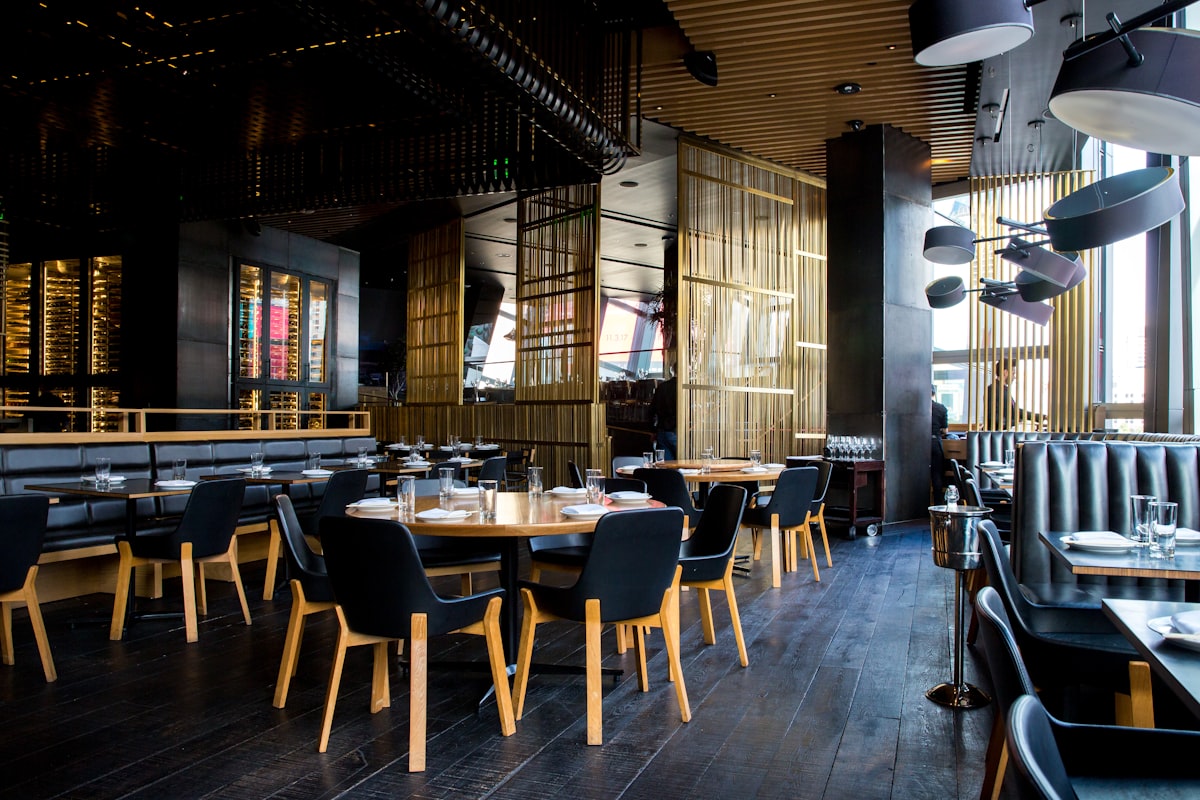
A warm wood paneled dining room set for a Bavarian supper

Die Schmalz Philosophie

Aus der Stube

Six Recipes We Return To

Choose a dish below. Every recipe on this page is cooked entirely with butter, Schmalz or olive oil. No canola, no sunflower, no soybean oil, ever.

Rustic roast dinner on a dark wooden table

Schweinebraten

The Sunday centerpiece of every Bavarian Stube, a slow pork roast with crackling rind and a gravy built on dark lager. The meat rests on a bed of root vegetables and drinks in the beer as it cooks.

  • Time 3 hours
  • Serves 6
  • Level Intermediate

Ingredients

  • 4.5 lb pork shoulder, rind on
  • 2 tbsp butter
  • 3 yellow onions, quartered
  • 2 carrots, roughly chopped
  • 1 small celery root, cubed
  • 4 garlic cloves, crushed
  • 1 tbsp caraway seeds
  • 2 tsp sweet paprika
  • 2 cups dark Bavarian lager
  • 2 cups beef stock
  • Sea salt and black pepper

Method

  1. Score the rind in a diamond pattern, then rub the whole roast with salt, pepper, paprika and crushed caraway.
  2. Melt the butter in a heavy roasting pan and brown the onions, carrots, celery root and garlic over lively heat.
  3. Set the pork on the vegetables rind side up, pour the stock around it and roast at 350°F for one hour.
  4. Pour half the lager over the meat and continue roasting, basting every 30 minutes with the pan juices and remaining beer.
  5. After about two and a half hours, raise the oven to 450°F for the final 15 minutes so the rind puffs and crisps.
  6. Rest the meat, strain the pan juices, and finish the gravy with a cold knob of butter before carving.

Pan fried fish fillet with herbs on a plate

Forelle Müllerin

Trout in the style of the miller's wife, dusted in flour and fried whole in generous brown butter until the skin turns amber. A dish from Bavaria's cold mountain streams, ready in half an hour.

  • Time 30 minutes
  • Serves 2
  • Level Easy

Ingredients

  • 2 whole trout, cleaned
  • 1/2 cup all purpose flour
  • 7 tbsp butter, divided
  • 1 lemon, half juiced, half in wedges
  • 3 tbsp flat leaf parsley, chopped
  • 1 tbsp chives, snipped
  • Sea salt
  • White pepper
  • 1 lb small potatoes, boiled, to serve
  • 1 tbsp butter for the potatoes

Method

  1. Pat the trout completely dry inside and out, season with salt and white pepper, then dust with flour and shake off the excess.
  2. Melt 4 tablespoons of butter in a wide skillet over medium heat until it foams and smells faintly of hazelnut.
  3. Lay in the trout and fry 4 to 5 minutes per side, spooning butter over the fish as it cooks, until the skin is deep golden.
  4. Lift the fish onto warm plates. Add the remaining butter to the pan and let it brown gently.
  5. Pull the pan off the heat, stir in the lemon juice and parsley, and pour this sizzling butter over the trout.
  6. Serve at once with buttered potatoes, chives and lemon wedges.
Fresh cabbage and vegetables being prepared in a kitchen

Bavarian Rotkohl

Red cabbage braised low and slow with apples, cloves and a spoonful of lard, the quiet companion to every roast in the region. It tastes even better reheated the next day.

  • Time 1 hour 15 minutes
  • Serves 6
  • Level Easy

Ingredients

  • 1 medium red cabbage, finely shredded
  • 3 tbsp lard (Schmalz)
  • 1 large onion, sliced
  • 2 tart apples, grated
  • 1/4 cup apple cider vinegar
  • 1 cup apple juice
  • 2 tbsp red currant jelly
  • 1 bay leaf
  • 3 whole cloves
  • 4 juniper berries, lightly crushed
  • Sea salt

Method

  1. Melt the lard in a heavy pot and soften the onion without letting it color.
  2. Add the shredded cabbage in handfuls, turning it through the fat until it glistens.
  3. Stir in the apples, vinegar, apple juice, bay leaf, cloves and juniper, then season with salt.
  4. Cover and braise on the lowest heat for about an hour, stirring now and then and adding a splash of water if the pot runs dry.
  5. Stir in the red currant jelly and let the cabbage cook uncovered for a final 10 minutes until glossy.
  6. Taste, balance with a little more vinegar or jelly, and fish out the bay leaf and cloves before serving.
A bowl of clear soup served on a wooden table

Leberknödelsuppe

Bavaria's beloved liver dumpling soup, tender bread dumplings enriched with liver and marjoram, floating in a clear beef broth. It opens nearly every festive meal in the region.

  • Time 50 minutes
  • Serves 4
  • Level Intermediate

Ingredients

  • 1/2 lb beef liver, trimmed
  • 4 stale white rolls, thinly sliced
  • 3/4 cup warm milk
  • 2 tbsp butter
  • 1 small onion, finely diced
  • 2 eggs
  • 2 tbsp parsley, chopped
  • 1 tsp dried marjoram
  • Zest of half a lemon
  • 8 cups clear beef broth
  • Salt and black pepper

Method

  1. Soak the sliced rolls in the warm milk until soft, about 10 minutes.
  2. Melt the butter and sweat the onion until translucent, then let it cool slightly.
  3. Finely mince the liver, or pulse it briefly, and combine it with the soaked bread, onion, eggs, parsley, marjoram and lemon zest. Season well.
  4. Let the mixture rest 15 minutes, then shape it into 8 dumplings with wet hands.
  5. Slide the dumplings into gently simmering salted water and poach for 20 minutes. They should never boil hard.
  6. Heat the beef broth, place two dumplings in each bowl, ladle the broth over and finish with parsley.
Freshly baked soft pretzels with coarse salt

Laugenbrezel

The soft Bavarian pretzel, mahogany outside, tender inside, brushed with butter and showered with coarse salt. Our home method uses a baking soda bath in place of the traditional lye.

  • Time 2 hours
  • Makes 8 pretzels
  • Level Advanced

Ingredients

  • 4 cups bread flour
  • 1 cup warm water
  • 1/4 cup warm milk
  • 2 tsp active dry yeast
  • 1 tbsp honey
  • 3 tbsp soft butter, plus more for brushing
  • 2 tsp fine salt
  • 1/2 cup baking soda, for the bath
  • Coarse pretzel salt
  • Butter for the baking sheet

Method

  1. Dissolve the yeast and honey in the warm water and milk and let it wake for 5 minutes.
  2. Knead the flour, salt, soft butter and yeast mixture into a firm, smooth dough, about 10 minutes by hand.
  3. Cover and let the dough rise until doubled, roughly 45 minutes.
  4. Divide into 8 pieces, roll each into a long rope with a fat belly and thin arms, and twist into the classic pretzel knot.
  5. Chill the shaped pretzels uncovered for 20 minutes so the skin dries slightly.
  6. Simmer a wide pot of water with the baking soda, dip each pretzel for 20 seconds per side, then drain on a buttered sheet.
  7. Slash the fat belly, scatter with coarse salt and bake at 425°F for 14 to 16 minutes until deep brown. Brush with melted butter while warm.
Golden pancakes dusted with powdered sugar

Kaiserschmarrn

The emperor's pancake, torn into ragged pieces and caramelized in butter and sugar until the edges crisp. Served straight from the pan with plum compote, it is Bavaria's happiest dessert.

  • Time 35 minutes
  • Serves 4
  • Level Easy

Ingredients

  • 4 eggs, separated
  • 1 cup all purpose flour
  • 1 cup whole milk
  • 3 tbsp sugar, plus 2 tbsp for caramelizing
  • 1 tsp vanilla extract
  • Pinch of salt
  • 1/3 cup raisins, soaked in apple juice
  • 4 tbsp butter
  • Powdered sugar, to finish
  • Plum compote or apple sauce, to serve

Method

  1. Whisk the egg yolks with the flour, milk, 3 tablespoons of sugar, vanilla and salt into a smooth batter.
  2. Beat the egg whites to soft peaks and fold them gently through the batter.
  3. Melt half the butter in a large skillet, pour in the batter, scatter over the drained raisins and cook until the underside is golden.
  4. Flip in rough quarters, add the remaining butter and cook the other side.
  5. Tear the pancake into bite sized pieces with two forks, sprinkle with the remaining sugar and toss until the edges caramelize.
  6. Dust generously with powdered sugar and bring to the table in the pan, with compote alongside.
In a Bavarian Stube, butter is not an ingredient. It is the point.

Fagren Stube is an independent kitchen journal devoted to the cooking of Bavaria and the Alpine foothills. We publish traditional recipes exactly as they have long been cooked in home kitchens of the region: with butter, golden Schmalz and time. You will never find vegetable oil, margarine or shortening in our recipes, because you would never have found them in the kitchens these dishes come from.